Silicone sealant suppliers application questions
Application language is useful only when it turns into purchase fields. This page helps US buyers convert a process note into questions for silicone sealant suppliers: cure system, viscosity, movement class, color, package and destination. Suitability, weather performance and inventory are not assumed.
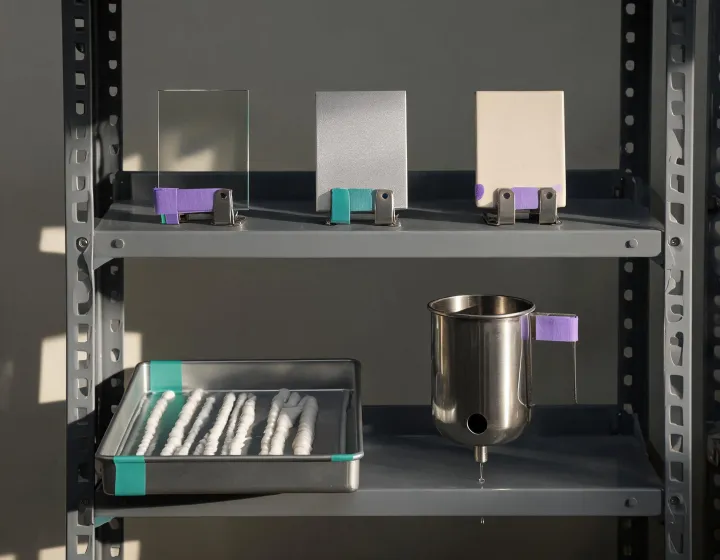
Application matrix: what to write on the RFQ
The rows below are buyer contexts, not certified end uses. A public product-family reference can frame the question; the quoted sealant still needs its own SDS, TDS and CoA.
| Buyer context | Ask on the RFQ | Leave open until quoted |
|---|---|---|
| Fenestration, curtain wall and glass shop work | Substrate, movement class if the designer already set one, color, and whether acetoxy odor is acceptable near occupied interiors. | Weathering hours, adhesion after water immersion and exact bead profile remain supplier or laboratory answers. |
| Sanitary, kitchen and wet-room joints | Color, package size and whether a mildew note is required at incoming inspection. | Food-contact or potable-water statements belong to the named product file, not to this desk. |
| HVAC, duct and plant gasket lines | Temperature window, modulus, one-component versus two-component pot life, and destination climate as a receiving fact. | Fire, smoke or chemical-resistance class require the quoted product’s TDS and buyer testing. |
| Automotive or appliance assembly | Viscosity, color, skin-over time and whether a primer is quoted as a separate line. | OEM specification numbers stay with the buyer’s quality packet. |
| Distribution and private-label packing | Fill size, carton count, labeling language and whether a CoA travels with each lot. | Shelf-life statements come from the supplier for the quoted concentration. |
Selection trade-off: acetoxy versus neutral cure, cartridge versus bulk sausage
Buyers often treat acetoxy as faster and cheaper, and neutral oxime or alkoxy as automatically safer on metals. Those statements are incomplete. Acetoxy still needs substrate compatibility, odor acceptance and moisture to complete the cure. Neutral systems still need viscosity, skin-over time and package venting confirmed for the climate actually used. Cartridge packs simplify site work; sausages and pails change net weight, waste and freight class. Put each chemistry and package on its own quote line; do not collapse them into one unit price.
Open questions silicone sealant suppliers still have to answer
- Which cure system and viscosity does the quoted grade use, and which method is stated on the TDS?
- Is the quoted color a standard chip, a customer match, or an unconfirmed close shade?
- What net weight sits in each cartridge or sausage, and is the nozzle part of the quoted package?
- Which SDS, TDS and CoA files belong to that exact product rather than a neighboring grade?
Flash point, UN number and any DOT or IMDG statement stay with the exact SDS. This page does not classify a shipment or instruct how to tool a joint.
Convert an application note into a silicone sealant suppliers brief
Include substrate, quantity, destination and which chemistry lines should stay separate.